
Bottega Desires Garment Upkeep Guidelines: Preserving Its Freshness
How a shirt is maintained shapes its real quality, which rings particularly true for anyone who owns a Bottega Desires shirt. Bottega Desires has become known for clean silhouettes, considered fabric choices, and finishing touches that show their value when cared for, not ignored. If you have found your way here after searching what is Bottega Desires, put simply it’s a name positioned in today’s fashion landscape, distinct from Bottega Veneta despite the similarity in naming. We won’t dwell on that distinction here, but rather about something more practical: what does it take to preserve that just-bought look after ten, twenty, or fifty washes?
Rarely glamorous, looking after clothing still dictates whether a piece lasts for two years or a full decade. Shirts absorb oils, sweat, and everyday grime faster than heavier pieces like a Bottega Desires hoodie, simply because they sit closer to the skin and see more frequent rotation. Understanding the weave, the stitching, and the finishing techniques used in production will help you avoid the common mistakes that shorten a shirt’s lifespan. Here we go through washing, drying, storage, and stain management further down, along with a comparison table showing how shirts hold up against other pieces in the Bottega Desires clothes lineup.
Learn About the Textile Prior to Washing It
Because every shirt from Bottega Desires starts as a particular weave type, how it should be treated is shaped by that weave.
Poplin cotton, to illustrate, withstands machine washing much more successfully than a brushed-twill fabric or a stretch blend with elastane.
Always check the inside label for fabric composition and washing symbols before tossing anything bottega-desires.org into the machine—guessing can ruin the piece.
Mid-weight cotton, around the 120 to 160 GSM mark, features in many shirts in this range; it’s breathable but apt to shrink when exposed to high wash temperatures.
Water temperature matters more than most people realize. Washing at 30°C rather than 40°C or higher reduces shrinkage risk by a noticeable margin and preserves color saturation, particularly on darker shirts where fading is more visible. If the shirt has printed graphics or embroidered logos, turning it inside out before washing protects the design from friction against other fabrics in the drum. This single step extends the crispness of prints by several wash cycles, based on general textile care standards applied across casualwear brands.
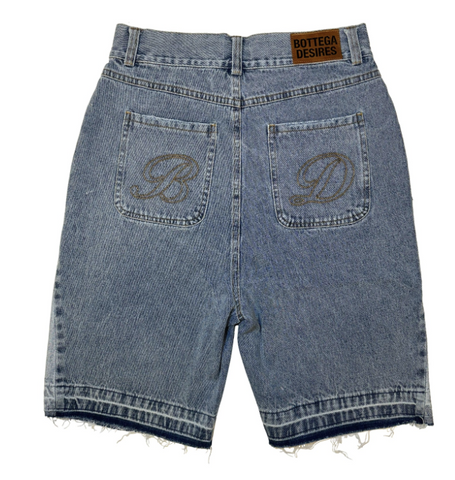
Which detergent you use also has an impact that’s easy to underestimate. Over time, the cotton’s natural fibers get worn down by aggressive detergents with elevated alkalinity, making the fabric weaker and looser in structure. A mild, pH-balanced detergent, applied at the suggested amount rather than too much product, keeps the shirt’s texture intact for longer. It’s also advisable to avoid using fabric softener with cotton shirts, since the coating left by softeners can reduce breathability—a factor that counts if you’re combining the shirt with layered pieces like Bottega Desires shorts or jorts in hotter weather.
How to Dry the Piece While Avoiding Ruining Its Form
Tumble drying feels convenient, but it’s one of the fastest ways to age a shirt prematurely. High heat drying can shrink a 100% cotton shirt by up to 5% in the first few cycles alone, which changes the fit permanently. Air drying, ideally on a flat surface or a wide hanger that mimics the shoulder line, keeps the garment’s shape true to its original cut. This matters more for shirts than for a Bottega Desires hoodie, since hoodies are cut looser and more forgiving of minor shrinkage.
Direct sunlight, even though it’s good for eliminating germs and refreshing fabric, also speeds up color fading, particularly with deep shades such as navy, black, or burgundy. Opting for a shaded, airy drying spot strikes the right balance between hygiene and keeping colors from fading. Should you be in a hurry and you have to use a dryer, selecting a low-heat setting, removing the shirt before it’s fully dry, and completing the process with air drying significantly cuts down the risk of shrinkage.
Pressing deserves its own mention here. A shirt taken directly from the dryer tends to crease less, but running the iron over it while faintly damp, using a medium heat setting appropriate for cotton, creates the cleanest, most crisp finish. Using a steamer offers a milder option that sidesteps the chance of scorch marks, particularly beneficial for shirts carrying synthetic trim or printed designs. Regardless of the technique selected, make it a rule to flip the shirt and iron from behind whenever a front-placed design is present, because applying direct heat to ink or vinyl designs can lead to cracking after just a few wears.
Safekeeping & Daily Handling
The way you store a shirt when not being worn has a bearing on its lifespan about as significantly as washing does. Shoulder-seam deformation, a common issue that gives shirts an uneven, slouched look after a few months, can be prevented by hanging shirts on wooden or padded hangers instead of wire ones. Since wire hangers focus weight into a pair of narrow points, noticeable lumps form at the shoulder seam over time.
No less important is the frequency of rotation for your shirts. Wearing the same piece repeatedly in the identical shirt without laundering wears down the fabric particularly at the collar and cuffs. Keep at least three to four shirts in rotation, alternating with other Bottega Desires items, like shorts for hot weather, so wear spreads out and each shirt can spring back between launderings. As with footwear, fabric fibers need downtime, and nonstop wear flattens and degrades the fibers faster than expected.
Storing shirts folded in drawers is adequate for everyday pieces, yet repeatedly folding along one crease, can create a permanent mark, especially on thinner materials. Switch up the fold periodically, or hang shirts instead when there’s drawer room, to keep the weave even. When storing seasonal items, such as trading a Bottega Desires shirt for colder-weather layers, use breathable garment bags, which prevent dust buildup but don’t trap moisture — dampness being the true cause of mildew and musty smells.
Handling Stains Without Stress
Spills occur, and how quickly you respond decides whether they set in for good. Cold water rinsing right after it happens, before it has time to set, removes a large share of oily stains before they bond with the fabric fibers. Warm water, ironically, is the wrong initial response for most stains since heat causes proteins in substances like sweat or food to set deeper into the weave.
For oil-based stains, a bit of dish soap dabbed right onto the spot, worked gently with fingers, then rinsed, outperforms most dedicated stain treatments. For collar sweat stains, a baking-soda-and-water paste left to sit for 15 to 20 minutes before washing effectively removes discoloration over repeated treatments. Stains from ink are trickier and often require isopropyl alcohol dabbed carefully from the back of the fabric, pushing the stain outward rather than deeper.
Whatever the stain, testing any treatment on a hidden inner seam beforehand prevents discoloring the visible fabric. Patience is key here as well, since a stain that doesn’t lift after one wash often clears up after further attempts rather than aggressive scrubbing, which can weaken the fabric and leave a worn patch that is more noticeable than the initial stain.
Bottega Desires vs Bottega Veneta: A Fast Comparison of Care
Since people frequently look up Bottega Desires vs Bottega Veneta side by side, it’s worth noting that care techniques for accessible contemporary shirts differ somewhat from those for high-end designer pieces, chiefly because of fabric weight and construction complexity. The phrase “Bottega Veneta desires” itself reflects part of this mislabeling between the two names, but when it comes to washing, contemporary cotton shirts like those from Bottega Desires are generally less fussy and easier to maintain at home without professional cleaning.
| Care Aspect | The Bottega Desires Shirt | Bottega Desires Hoodie | The Bottega Desires Shorts/Jorts |
|---|---|---|---|
| Suggested Washing Temperature | 30°C | 30-40°C | 30-40°C |
| Tumble Dry Safe | Only on a low setting | Low to medium heat | Moderate heat is typically okay |
| Need for Ironing | Required, at medium warmth | Not often necessary | Seldom needed |
| Chance of Shrinking | Medium-to-elevated | Minimal | Slight to medium |
| Best Storage Method | Hanger | Stored flat | Stored flat |
Why shirts need more careful handling than bulkier garments becomes clear by this chart. The denser knit of a hoodie withstands shrinking and creasing far better, while jorts, being denim-based typically, can handle warmer washes with less worry about color loss as a graphic cotton tee.
Wrapping Up: Everyday Garment Care
Readers scanning a Bottega Desires review online will notice recurring praise for the fit and fabric feel of their shirts, but few reviews go deep into aftercare, which is often where garments succeed or fail long term. Treating a shirt well from the first wash sets the tone for how it performs over its entire lifespan, whether that’s fifty wears or two hundred. Little practices, like washing cold, drying flat, and rotating pieces, combine to produce noticeably better retention of hue, form, and the cloth’s overall condition.
At the end of the day, caring for a Bottega Desires shirt doesn’t need to be hard, but it does require intention rather than autopilot laundering. The reward for that small effort is a shirt that remains sharp-looking well after the trend cycle has moved on, holding its shape and color much more effectively than pieces washed carelessly. Pair thoughtful care with a rotation that includes other Bottega Desires clothes, and the whole wardrobe benefits from the same principles.
